


Memento mori. Artists that became popular after death.

“Memento mori” is a medieval Latin keynote, meaning literally “Remember that you will die”. In the Middle Ages people believed that the purity of soul is the only value that matters after death, so every tangible good you own is unstable and will sooner or later disappear. However, there are lots of people who changed the course of history forever even though their commitment was considered meaningless at first. Not until their death did they gain appreciation and now they’re perceived as the ones with the biggest impact on the world of culture, sport etc. This all applies to internationally known artists whose paintings are nowadays one of the most valuable pieces of art. Nevertheless, they encountered rejection in life and couldn’t find their own place in the world of painting. In this article, I’m going to present you some artists who became popular after their death.

Vincent Van Gogh
Vincent Van Gogh is probably one of the most recognizable artists worldwide whose masterpieces rose to fame all around the world. However, this painter, with over 900 pieces of art created, couldn’t gain appreciation in life because of his ‘lacking in energy pictures’. After his death in 1890, his sister-in-law managed to preserve his paintings. Now, Van Gogh is portrayed as an unusually gifted painter. One of the most famous museums in Amsterdam was named after this artist. His masterpieces, including “Starry Night”, “Sunflowers” or multiple self-portraits were sold for an unimaginable price of 100 dollars.

Claude Monet
Claude Monet passes for the father of Impressionism, thanks to his iconic picture entitled “Impression sunrise”. Even though, his talent was being underrated throughout the whole life. Back then no one could imagine that his passing would change so much in the world of culture. Nowadays, he is named among the most influential artists of all time. There are even some books devoted to him and his works.


Paul Gaugin
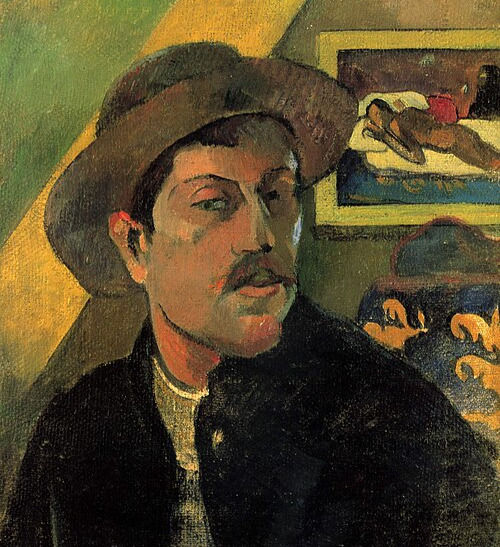
Paul Gaugin was a French painter and a sculptor. He was also a precursor of new trends in painting. His colorful Post-Impressionist pictures made him stand out from the body of artists. Although he had an enormous affect on such painters as Picasso or Matisse, art critics couldn’t appreciate his superior skills because of his brave way of expressing himself. Lots of people condemned his unabashed temper. They were very ambivalent about his personality. However, nowadays, these opinions are off the radar and his pictures are one of the most demanded masterpieces in the world.

Paul Cézanne
Paul Cézanne is known for being a connector between Impressionist art and Cubism. Even Pablo Picasso, a recognizable abstractionist gave him a nickname “the father of us all”. However, Cézanne’s paintings were rejected by art critics from the start. One year after his death in 1906, his masterpieces got a well-deserved retrospective at the “Salon d’Automne” exhibition.


Johannes Vermeer
Known for his painting “Girl with a Pearl Earring”, Johannes Vermeer was a Dutch artist, born in the baroque age. His domestic scenes show a great concept of light he has been elaborating on throughout his lifetime. Given the fact that Vermeer’s portfolio was quite modest, his family didn'tdidin’t have enough money and got saddled with debt. Not until his death did he rise to fame as one of the most influential Dutch artists.

It’s always impossible to comprehend that artists you often hear about, didn'tdidin’t have an easy life. Their authority was constantly undermined by art critics, dealers or even people who had nothing in common with culture. Painters, such as Van Gogh, Cézanne or Monet inspired future generations to stimulate their creativity and to follow their dreams, even in defiance of others. However, the saddest thing about it is that people tend to blame others until they die.


Comments